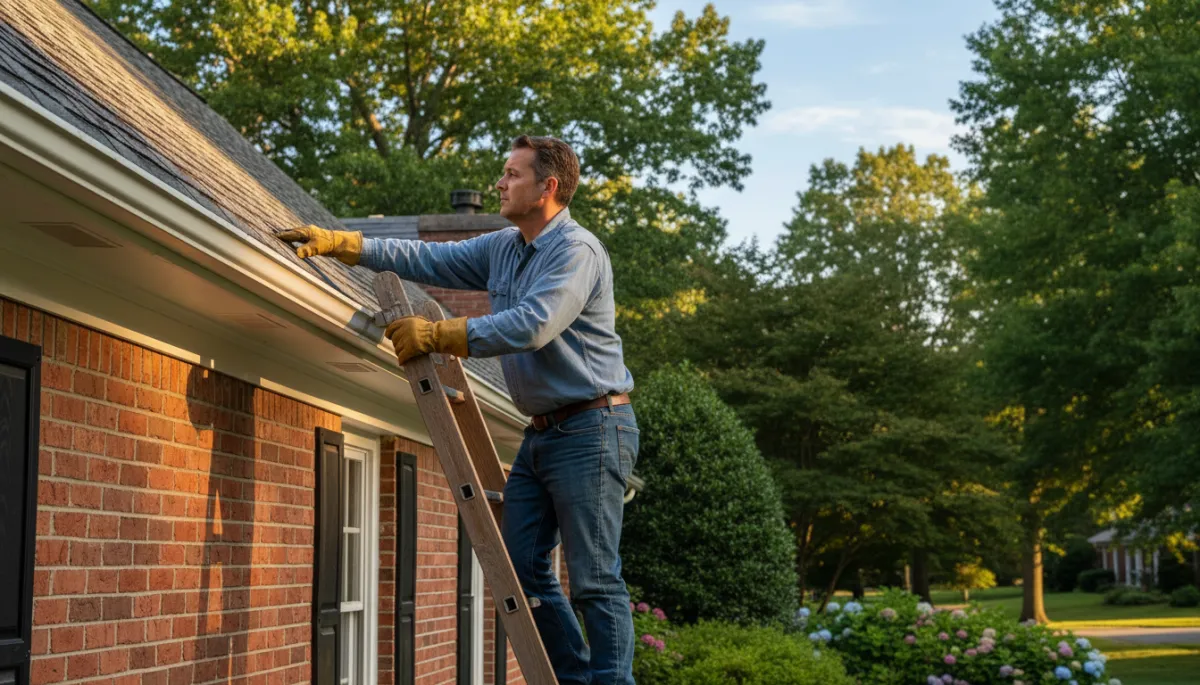
DIY Roofing Maintenance Tips for Richmond, VA Homeowners — Seasonal Guide & Q&A
Why Roof Maintenance Matters for Richmond, VA Homeowners
Your roof is your home's first and most critical line of defense against the elements — and in Richmond, Virginia, that job is no small task. From humid, storm-charged summers and heavy spring rains to winter ice and the occasional nor'easter, Central Virginia's climate puts your roof through the full seasonal gauntlet year after year. A well-maintained roof doesn't just protect your home from water intrusion and structural damage; it also preserves your home's energy efficiency, curb appeal, and resale value.
The good news is that preventative maintenance doesn't require a contractor's truck in your driveway. Many of the most effective roofing upkeep tasks can be handled by the homeowner with a little know-how and a Saturday afternoon. Below, we've put together a practical, locally informed guide to DIY roofing maintenance — plus a Q&A to answer the questions Richmond homeowners ask us most often.
DIY Roofing Maintenance Tips for Richmond, VA Homeowners
- Inspect Your Roof Twice a Year — Spring and Fall
Schedule biannual walkarounds every spring and fall. Spring inspections catch any damage from winter's ice, wind, and debris. Fall check-ins let you address wear before winter weather sets in. You don't need to climb on the roof — a pair of binoculars from the yard or a ladder peek at the eaves can reveal a lot. - Keep Gutters and Downspouts Clear
Richmond's oak and maple trees are beautiful — and prolific leaf droppers. Clogged gutters force water to back up under your eaves and shingles, leading to rot, ice dams, and fascia damage. Clean gutters at least twice a year (more if you have heavy tree cover), and check that downspouts extend at least six feet away from your foundation. - Look for Missing, Curling, or Cracked Shingles
After any significant storm, do a visual inspection for shingles that are missing, lifting at the edges, cupping, or visibly cracked. These gaps expose the underlayment and decking to moisture. Even a single missing shingle can allow water infiltration that leads to interior damage and mold growth over time. - Check Flashing Around Chimneys, Vents, and Skylights
Flashing — the metal strips that seal the joints between your roof and vertical structures — is one of the most common failure points. Look for gaps, rust, lifted edges, or missing caulk around your chimney base, pipe boots, and any skylight frames. These small openings are often where water sneaks in first. - Monitor for Granule Loss
Asphalt shingles are coated with protective granules that shield against UV rays and impact. If you notice dark, bare patches on shingles or find excessive granule buildup in your gutters and downspouts, your shingles may be nearing the end of their lifespan. Moderate granule loss is normal on aging roofs; heavy or uneven loss warrants a professional inspection. - Check Your Attic for Signs of Moisture and Poor Ventilation
Climb into your attic and look for daylight peeking through the roof decking, water stains on rafters or sheathing, or black mold-like growth on wood surfaces. Poor attic ventilation traps heat and moisture, accelerating shingle deterioration from the inside out. Make sure soffit vents and ridge vents are clear and unobstructed. - Trim Overhanging Branches
Tree limbs hanging over your roof are a storm-season hazard. During a Richmond thunderstorm or high-wind event, even smaller branches can scrape, puncture, or strip shingles. Maintain at least 6–10 feet of clearance between large limbs and your roofline to reduce debris buildup and storm damage risk.
Roofing Q&A: Common Questions from Richmond, VA Homeowners
Q: How often should I inspect my roof in Richmond, VA?
A: We recommend inspecting your roof at least twice a year — once in the spring after winter weather passes, and again in the fall before the cold season begins. You should also perform a visual inspection after any significant storm event, including high winds, heavy hail, or prolonged heavy rain. Richmond's climate sees a wide range of weather conditions throughout the year, making consistent inspections especially important.
Q: What are the signs I need roof repair in Richmond?
A: Common warning signs include missing or damaged shingles, water stains on interior ceilings or walls, granules accumulating in gutters, visible daylight in the attic, and sagging areas on the roofline. Flashing that's lifted, rusted, or cracked around chimneys and vents is another frequent culprit behind leaks. If you notice any of these signs, it's best to have a professional assessment promptly before minor damage escalates.
Q: Can I do roofing maintenance myself?
A: Yes — many basic maintenance tasks are well within a homeowner's ability, including visual inspections, gutter cleaning, trimming overhanging branches, and monitoring for granule loss or shingle wear. However, walking on a roof carries real safety risks, and any repairs that involve replacing shingles, resealing flashing, or addressing structural issues should be left to a licensed professional. Think of DIY maintenance as a monitoring and prevention strategy, not a replacement for professional service.
Q: How long does a roof last in Richmond, VA?
A: Most standard asphalt shingle roofs last between 20–30 years with proper care, while architectural and designer shingle systems can push toward the upper end of that range. Metal roofing can last 40–70 years. Richmond's humidity, UV exposure, and storm activity can accelerate wear, so regular maintenance and prompt repairs go a long way toward maximizing the life of your investment.
Q: What causes the most roof damage in Richmond, VA?
A: The leading culprits are summer thunderstorms with high winds and hail, followed by winter ice and freeze-thaw cycles that stress shingles and flashing. Algae and moss growth — fueled by Central Virginia's humidity — also degrade shingles over time if left untreated. Poor attic ventilation and clogged gutters contribute significantly to premature deterioration from the inside out.
When to Call a Professional Roofer in Richmond, VA
DIY inspections are an excellent first line of defense, but there are situations where calling a licensed, insured roofing contractor is not just recommended — it's essential. If you discover an active leak, widespread shingle damage after a storm, a sagging or spongy area on the roofline (which may indicate compromised decking), or significant flashing failure around your chimney or vents, do not delay. Water intrusion can move fast, leading to interior damage, insulation deterioration, and mold growth that compounds the repair cost quickly.
Any time you're unsure about what you're seeing during your own inspection, a professional eye can make all the difference. A qualified roofing contractor will perform a thorough assessment, document damage accurately — which matters if you're filing a storm damage insurance claim — and recommend honest, transparent next steps. At Professional Home Services, we've served Richmond homeowners since 1997 with exactly that approach: no pressure, no gimmicks, just expert guidance and quality workmanship backed by strong warranties.
Ready to Protect Your Roof? Request a Free Estimate Today
Whether you've spotted a warning sign during your own inspection, want a professional roof assessment before the next storm season, or are ready to explore replacement options for an aging roof, our team is here to help. Professional Home Services is Richmond, VA's trusted local roofing contractor — locally owned, licensed, insured, and committed to protecting the homes in our community.
Request your free, no-pressure estimate today. Our team will inspect your roof, walk you through our findings, and give you one honest price — so you can make the best decision for your home and your budget.
