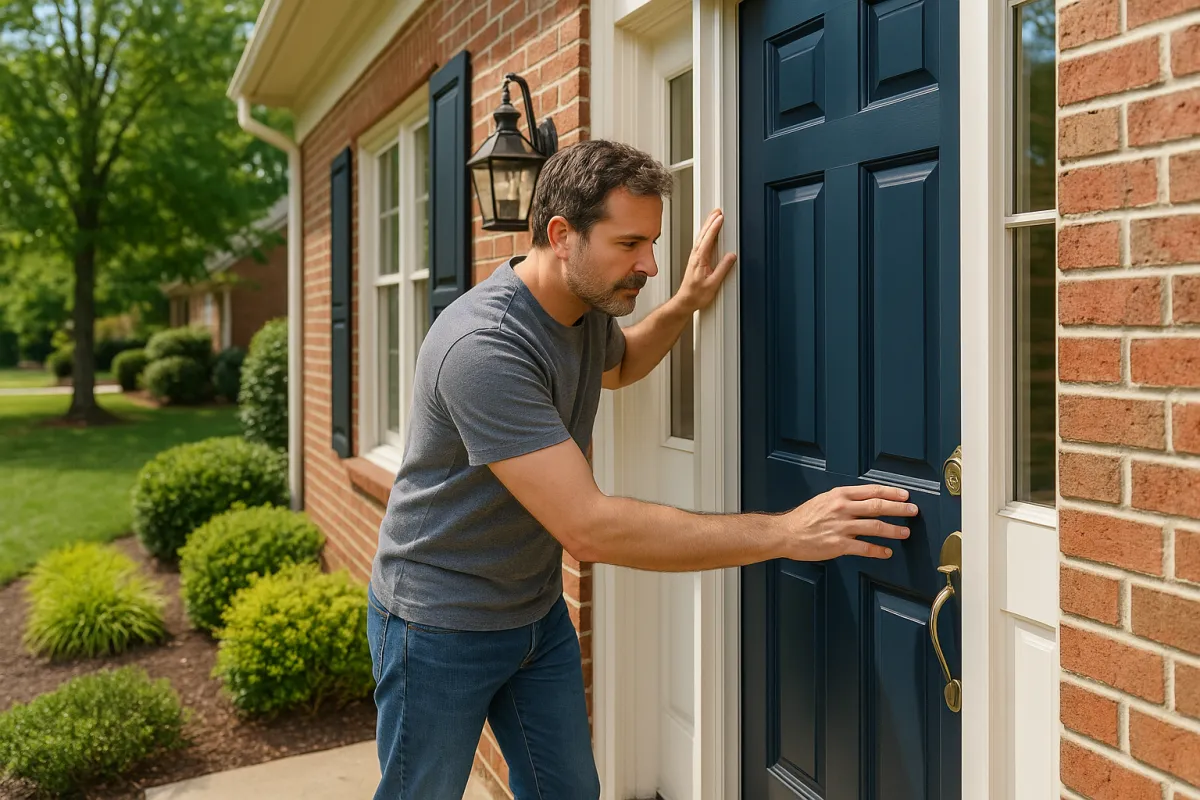
DIY Door Maintenance Tips for Richmond Homeowners
Why Door Maintenance Matters in Richmond, VA
Your home's doors are its first line of defense — protecting your family, securing your belongings, and helping maintain a comfortable indoor environment year-round. In Richmond, Virginia, doors face a unique set of challenges. The region's hot, humid summers, fluctuating spring and fall temperatures, and occasional winter ice storms can cause wood to expand, contract, warp, and deteriorate faster than in more temperate climates. Add to that Richmond's storm season, and it's clear that proactive door maintenance isn't just about curb appeal — it's about protecting your home's structural integrity and energy efficiency.
The good news? Many of the most effective door maintenance tasks are straightforward, affordable, and well within reach for the average Richmond homeowner. Staying on top of routine care can add years of life to your exterior and interior doors, prevent costly repairs, and keep your home looking sharp in the neighborhood.
6 DIY Door Maintenance Tips for Richmond Homeowners
- Inspect Weatherstripping Twice a Year
Weatherstripping is the unsung hero of energy efficiency. Check the seals around your door frame every spring and fall by closing your door and looking for light gaps or feeling for drafts. Richmond's high summer humidity causes rubber and foam seals to degrade faster than in drier climates. If the stripping is cracked, torn, or flattened, it's easy to replace with materials from your local hardware store — and the payoff in energy savings is significant. - Lubricate Hinges, Locks, and Hardware Regularly
Squeaky hinges and stiff locks are early warning signs of wear that can escalate into bigger problems. Apply a dry lubricant such as silicone spray or dry PTFE lubricant to door hinges, deadbolts, and lock cylinders at least once a year. Avoid WD-40 on locks, as it can attract dust and gum up the mechanism over time. Keeping hardware lubricated prevents premature failure and keeps your entry points operating smoothly. - Inspect Door Thresholds and Bottom Seals
The threshold and door sweep at the base of your exterior doors are your first barrier against water intrusion, drafts, and pests. Check that the sweep creates a tight seal when the door is closed. In Richmond, summer rain and winter moisture can push water under a worn threshold. Replace deteriorated sweeps promptly — this simple fix prevents wood rot in the door bottom and subflooring. - Check for Wood Rot, Warping, and Alignment Issues
Gently probe the door frame, especially at the bottom corners and near ground level, with a screwdriver or awl. If the wood feels soft or spongy, rot has set in. Also, check that your door hangs squarely in its frame — if it sticks, drags, or won't latch properly after a season change, humidity may have caused it to warp. Minor sticking can be addressed by lightly sanding problem areas; significant warping or rot requires professional attention. - Clean Your Door and Frame Seasonally
Surface grime, mold, and mildew buildup are common in Richmond's humid climate. Clean exterior doors each season with a mild soap-and-water solution or an appropriate cleaner for your door material — wood, fiberglass, or steel. For painted or stained wood doors, look for paint peeling or staining, which can indicate moisture penetration. Reapply a fresh coat of exterior paint or sealant every 2–3 years to protect the surface. - Test and Maintain Locks, Deadbolts, and Door Handles
Security starts with functioning hardware. Test all locks, deadbolts, and handles monthly to ensure they engage and disengage smoothly. Check that strike plates are firmly anchored to the door frame with long screws — at least 3 inches — that reach the wall stud, as this dramatically improves security. If any lock feels loose, misaligned, or difficult to turn, address it immediately.
Q&A: Common Door Maintenance Questions from Richmond Homeowners
Q: How often should I inspect my doors in Richmond, VA?
A: A thorough door inspection should be done at minimum twice a year — once in the spring after winter weather, and again in the fall before cold temperatures arrive. Richmond's seasonal humidity swings make these inspections especially important, as wood expands in summer and contracts in winter, stressing frames, seals, and hardware. A quick monthly visual check for obvious issues like sticking, drafts, or damaged weatherstripping is also a good habit.
Q: What are the signs I need door repair or replacement?
A: Key warning signs include visible cracks or rot in the door or frame, drafts or light visible around the door edges, difficulty latching or locking, persistent sticking or dragging, and warping that won't respond to seasonal changes. If your energy bills have crept up unexpectedly, a failing door seal may be the culprit. When multiple issues appear together, replacement is often more cost-effective than repeated repairs.
Q: Can I do door maintenance myself, or do I need a professional?
A: Most routine door maintenance — lubricating hardware, replacing weatherstripping, cleaning, and minor adjustments — is well within DIY reach for the average homeowner. However, tasks involving structural frame damage, significant wood rot, large gaps in the door frame, or full door replacement require professional expertise to ensure proper installation, energy performance, and security compliance. When in doubt, a professional inspection can save you money by catching problems early.
Q: How do I know if my door weatherstripping needs replacing?
A: Stand inside your home on a bright day and close the door — if you see light around the edges, the weatherstripping has failed. You can also slide a piece of paper between the door and frame; if it moves freely without resistance, the seal is inadequate. Physical signs include cracking, tearing, compression, or weatherstripping that no longer springs back to shape. Replacing worn weatherstripping is one of the highest-ROI maintenance tasks a homeowner can perform.
When to Call a Professional
While many door maintenance tasks are manageable for a motivated homeowner, there are situations where calling in a licensed professional is not just advisable — it's necessary. If your door frame shows structural damage, significant wood rot has spread to the framing or surrounding wall, or your door has been compromised after storm damage, a professional assessment is essential to ensure your home remains properly sealed, structurally sound, and secure.
Similarly, if you're dealing with a door that has severe warping beyond adjustment, a threshold that has allowed water intrusion to reach your subflooring, or hardware that must meet a specific security rating, professional installation guarantees the job is done correctly and to code. In Richmond's competitive real estate market, properly installed and well-maintained doors also add measurable value to your home — making the investment in professional service well worth it.
Ready to Protect Your Richmond Home?
Regular door maintenance is one of the smartest investments a Richmond homeowner can make — but sometimes the job calls for experienced hands. Whether you need a full door replacement, frame repair, or simply a professional eye to assess what's going on, our team is here to help. Request your free, no-obligation estimate today and take the first step toward a safer, more energy-efficient home.
