DIY Storm Damage Maintenance Tips for Richmond, VA Homeowners — Seasonal Guide & Q&A
Why Storm Damage Prevention Matters for Richmond, VA Homeowners
Living in Richmond, Virginia means enjoying four distinct seasons — but it also means preparing for the storms that come with them. From intense summer thunderstorms to late-season nor'easters, Central Virginia homeowners face a steady lineup of weather events that can take a serious toll on roofs, siding, windows, and doors. The good news is that proactive maintenance and smart post-storm inspections can help you catch problems early, extend the life of your home's exterior, and protect your investment.
Storm damage doesn't always announce itself dramatically. Sometimes it's a few missing shingles you won't notice until water starts dripping into your attic. Other times, it's a hairline crack in your siding that becomes a pathway for moisture and mold. As a Richmond homeowner, knowing what to look for — and when to look — is one of the most valuable habits you can develop to safeguard your property year-round.
DIY Storm Damage Maintenance Tips for Richmond Homeowners
- Conduct a Post-Storm Roof Inspection from the Ground
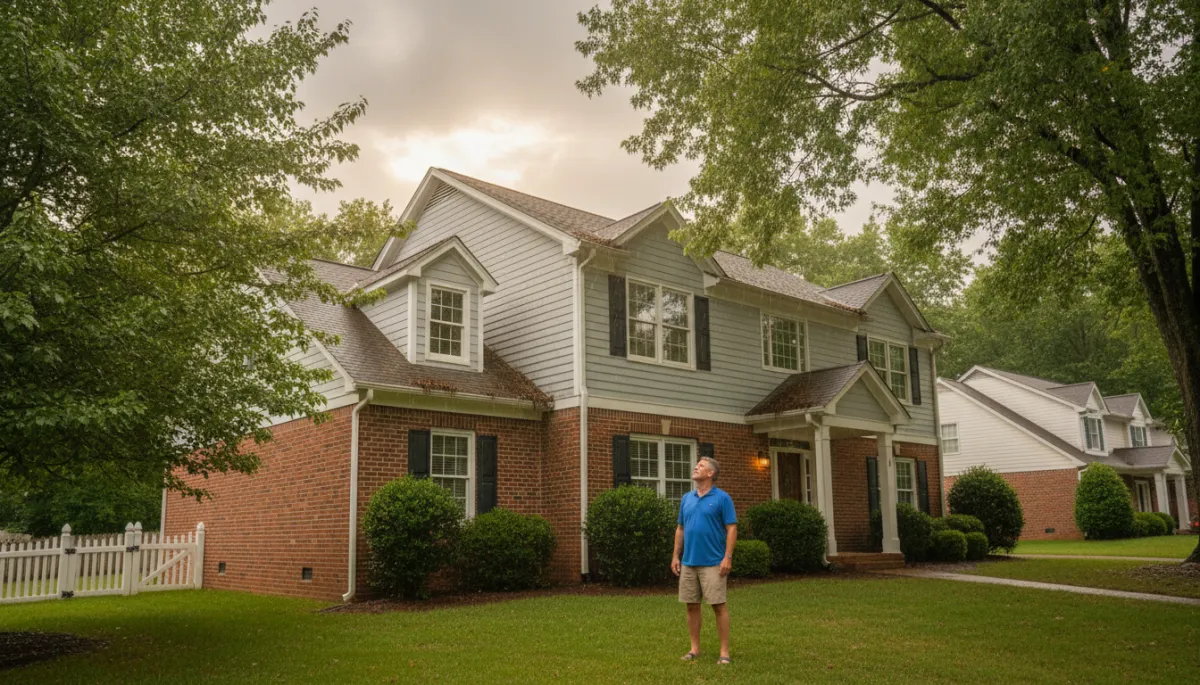
After any significant storm, walk the perimeter of your home and use binoculars to inspect your roof from the ground. Look for missing, curled, or visibly damaged shingles; lifted ridge caps; damaged flashing around chimneys and vents; and any areas where debris has settled. Never attempt to climb onto your roof yourself — leave elevated inspections to licensed professionals. - Check Gutters and Downspouts for Storm Debris
Clogged gutters are a leading cause of water damage after storms. After heavy rain, check that gutters are draining properly and are not sagging or pulling away from the fascia. Remove leaves, twigs, and debris that may have washed in during the storm, and ensure downspouts are directing water at least 6 feet away from your foundation to prevent basement infiltration. - Inspect Siding, Windows, and Doors for Impact Damage
Walk the exterior of your home and look closely at your siding for cracks, dents, holes, or sections that are buckling or pulling away from the wall. Check window frames and glass panes for cracks or broken seals — fogging between panes is a sign of seal failure. Inspect door frames for warping or misalignment that may have occurred from high winds. - Check for Water Infiltration in Your Attic and Basement
Head to your attic with a flashlight and look for signs of water intrusion: wet insulation, water stains on rafters or sheathing, or daylight showing through the roof deck. In your basement or crawl space, look for puddles, moisture on walls, or any new cracks that may have opened after heavy ground saturation during a storm. - Document All Damage with Photos and Notes
Before making any repairs, photograph every area of damage from multiple angles. Note the date and details of the storm — duration, wind speed if known, hail size. This documentation is essential for filing a homeowners insurance claim and ensures you receive fair compensation for all covered damage. - Clear Storm Debris Safely from Yard and Roof Edges
Large tree limbs near or on your roof create secondary damage risks — they can slide, cause additional shingle damage, or act as leverage points for wind in the next storm. Use long-handled tools to safely remove lightweight debris from low areas. For heavy limbs on or near the roof, wait for a professional with the proper safety equipment. - Build a Pre-Storm Season Maintenance Checklist
Each spring — before Richmond's peak thunderstorm season kicks in — run through a preventive checklist: trim trees near the home, tighten and seal gutters, inspect caulking around windows and doors, clear debris from roof valleys, and review your homeowners insurance policy for current storm damage coverage limits. A few hours of preparation can save thousands in repairs.
Storm Damage Q&A — Common Questions from Richmond, VA Homeowners
Q: How soon after a storm should I inspect my home for damage in Richmond, VA?
A: You should conduct a ground-level exterior inspection as soon as it is safe to do so — ideally within 24 to 48 hours of the storm passing. Quick identification of damage helps prevent secondary issues like water intrusion or mold from developing. Some insurance policies also have time limits on when you must report a claim, so prompt documentation matters.
Q: What are the most common signs of storm damage on a Richmond home?
A: The most common storm damage signs include missing or curling shingles, dented or cracked siding, broken window seals, blocked or bent gutters, and water stains on interior ceilings or walls. Hail damage often appears as small circular dents on soft metal surfaces like flashing, downspouts, and AC units — even when shingles may look intact from the ground.
Q: Can I do storm damage repairs myself, or do I need a professional storm damage contractor?
A: Minor tasks — like clearing debris, unclogging gutters, or photographing damage — are safe for most homeowners. However, structural repairs including shingle replacement, siding repair, flashing work, or anything requiring roof access should be handled by a licensed contractor. Improper DIY repairs can void manufacturer warranties, reduce your insurance claim value, and create serious safety hazards.
Q: Does homeowners insurance cover storm damage in Richmond, VA?
A: Most standard homeowners insurance policies in Virginia cover wind, hail, and lightning damage. Flood damage typically requires a separate flood insurance policy. The key is documenting the damage thoroughly and filing your claim promptly. A professional storm damage assessment can identify all damage and support your claim with detailed, insurer-ready inspection findings.
Q: How can I protect my Richmond home from storm damage before severe weather arrives?
A: Proactive prevention is your best defense. Keep trees trimmed away from the home, ensure your roof is in good repair before storm season, seal any gaps or cracks in the exterior envelope, and make sure your gutters are clear and properly sloped. Scheduling a professional exterior inspection every two to three years allows a trained eye to catch vulnerabilities before storms can exploit them.
When to Call a Professional Storm Damage Restoration Specialist
DIY inspections are a valuable first line of defense — but they have real limits. If your post-storm inspection reveals missing shingles, damaged flashing, exposed roof decking, cracked or detached siding panels, broken windows, or any sign of structural compromise, it's time to call a licensed storm damage restoration professional. Attempting structural repairs without the proper training, tools, or safety equipment can worsen the existing damage and put you and your family at risk.
There's also the insurance dimension to consider. Many insurance companies require a professional assessment before approving a storm damage claim. A qualified contractor can document damage with industry-standard reporting, identify hidden issues that an untrained eye might miss, and help ensure your claim reflects the full scope of the loss. Delaying a professional inspection — even by a few weeks — can allow water infiltration, mold growth, and structural deterioration to compound the original damage significantly. When in doubt, call the professionals sooner rather than later.
Ready to Protect Your Richmond Home? Request Your Free Storm Damage Inspection
Don't leave your Richmond home vulnerable heading into storm season — or after the next severe weather event rolls through Central Virginia. Whether you've just experienced high winds, hail, or a major thunderstorm, or you simply want a professional set of eyes on your home before the next one hits, our certified storm damage restoration team is here to help.
Request your free storm damage inspection and estimate today. We'll assess your roof, siding, windows, and doors — and give you a clear, honest picture of what your home needs to stay fully protected for years to come. Richmond homeowners trust us for fast, professional service and straightforward answers. Let us show you why.
