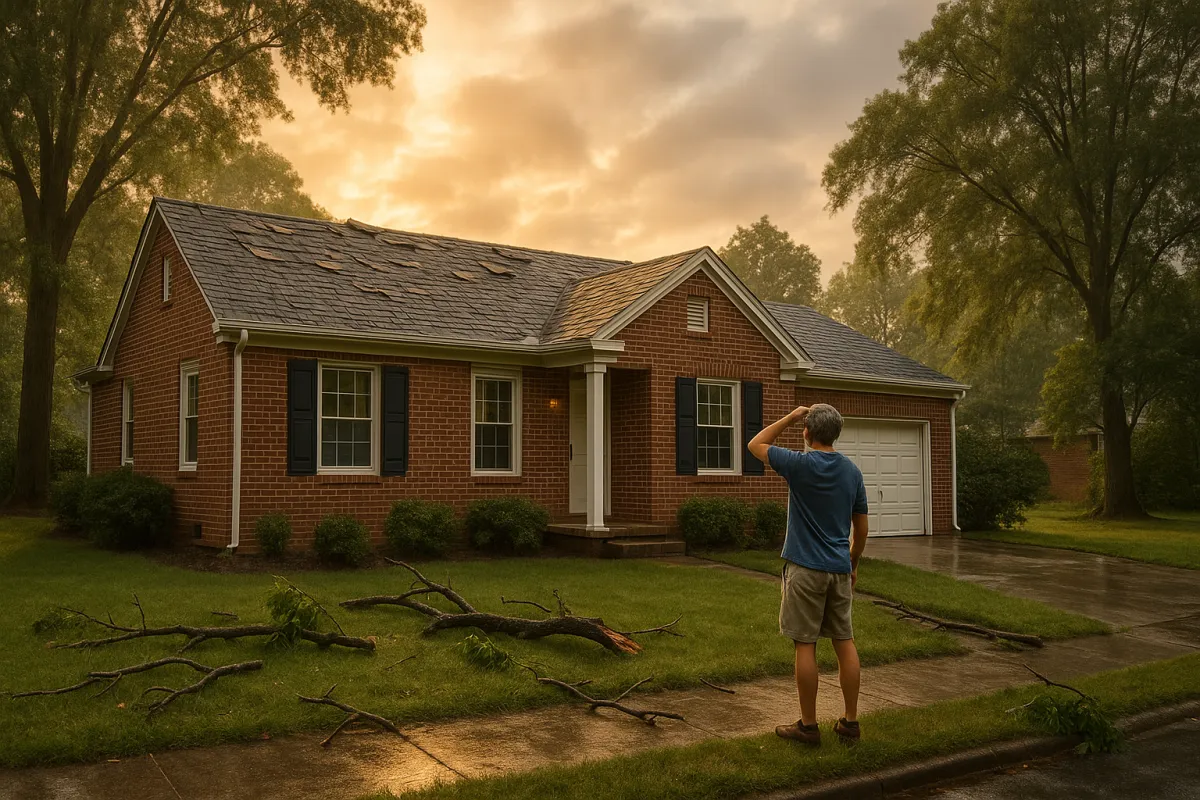
DIY Storm Damage Maintenance Tips for Richmond Homeowners
Why Storm Damage Prevention Matters for Richmond Homeowners
Richmond, Virginia is no stranger to severe weather. From powerful summer thunderstorms and tropical storm remnants to nor'easters and winter ice events, Central Virginia homeowners face a wide range of weather threats throughout the year. Each season brings its own risks — high winds that lift shingles, heavy rain that exposes gaps in your home's exterior, and ice that forces moisture into every crack and crevice.
The good news? Proactive maintenance and early detection can save Richmond homeowners thousands of dollars in repair costs. Understanding how to inspect your home after a storm — and knowing what warning signs to look for — puts you in control of your home's long-term health and resilience. This guide gives you the practical knowledge to stay ahead of storm damage before it escalates.
6 DIY Storm Damage Prevention & Maintenance Tips
- Inspect Your Roof After Every Major Storm
Walk your property after any significant wind or hail event and look for missing, cracked, curling, or displaced shingles from the ground. Use binoculars for a safer close-up view. Look for granule loss (the gritty coating on asphalt shingles), exposed underlayment, or sagging sections — these are early indicators of storm damage that can lead to interior leaks if left unaddressed. - Clear and Inspect Your Gutters and Downspouts
Clogged gutters are one of the most common causes of water intrusion after a storm. After heavy rain or wind, remove debris like leaves, branches, and shingle granules from your gutters. Ensure downspouts direct water at least six feet away from your foundation. Check for bent, detached, or sagging sections that may have been damaged by falling debris or high winds. - Examine Your Siding for Cracks, Gaps, and Impact Damage
Walk the entire perimeter of your home after a storm and look closely at your siding. Hail and wind-driven debris can crack, dent, or loosen siding panels, creating entry points for water and pests. Pay extra attention to corners, seams, and areas where siding meets trim or fascia. Even small gaps can allow moisture to seep behind panels and cause rot or mold over time. - Check Windows and Doors for Failed Seals and Draft Leaks
Storm pressure and debris impact can compromise the weatherstripping and caulking around your windows and doors. After a storm, run your hand along the edges of each window and door frame to feel for drafts. Look for condensation between double-pane glass, which signals a failed seal. Cracked or peeling caulk should be re-applied promptly to prevent water infiltration and energy loss. - Inspect Your Attic for Moisture, Leaks, and Daylight
Your attic is often the first interior space to show signs of roof damage. After a major storm, go into your attic with a flashlight and look for wet insulation, water stains on the decking, dark spots indicating mold growth, or any visible daylight shining through the roof. Catching these signs early can prevent extensive damage to your interior ceilings, walls, and structural components. - Document All Visible Damage with Photos and Notes
Before making any repairs or contacting a contractor, walk your property and photograph all visible storm damage — roof, siding, gutters, windows, doors, fencing, and landscaping. Include wide shots and close-ups with a timestamp. This documentation is critical for filing a homeowners insurance claim and helps ensure you receive full and fair coverage for all repairs.
Storm Damage Q&A: Answers to Richmond Homeowners' Most Common Questions
Q: How often should I inspect my home for storm damage in Richmond, VA?
A: Richmond homeowners should conduct a thorough exterior inspection at least twice a year — once in the spring after winter weather and once in the fall before storm season. Additionally, perform a quick visual inspection after any storm involving high winds (45+ mph), hail, or heavy rain. Early detection is the single most effective way to prevent small issues from becoming costly repairs.
Q: What are the signs of storm damage I should look for on my roof and siding?
A: On your roof, look for missing or curling shingles, exposed underlayment, dents from hail, and excessive granule loss in your gutters. On your siding, watch for cracks, dents, loose or detached panels, and discoloration caused by moisture intrusion. Interior signs like water stains on ceilings, peeling paint near exterior walls, or a sudden increase in energy bills can also indicate compromised exterior surfaces.
Q: Can I do storm damage repairs myself, or do I need a professional?
A: Minor maintenance tasks — like clearing gutters, re-caulking windows, replacing a few shingles, or patching small siding gaps — are within reach for handy homeowners. However, any damage that involves structural components, large sections of roofing or siding, water infiltration into walls or ceilings, or safety hazards should always be handled by a licensed professional. Attempting structural repairs without the proper training, equipment, and insurance coverage can lead to further damage and personal injury.
Q: Does homeowners insurance cover storm damage repair in Virginia?
A: Most standard homeowners insurance policies in Virginia cover storm damage caused by wind, hail, and lightning. However, flood damage typically requires a separate flood insurance policy. Review your policy's deductible, coverage limits, and any exclusions before filing a claim. Document all damage thoroughly with photos and contact your insurer promptly — most policies require claims to be filed within a specific timeframe after the storm event.
When to Call a Professional for Storm Damage
While proactive maintenance and DIY inspections are valuable, there are clear situations where professional expertise is not just recommended — it's essential. If you notice structural sagging in your roofline, widespread shingle loss, significant siding separation, or any water that has penetrated interior walls or ceilings, do not attempt to repair it yourself. These issues require a licensed contractor with the proper tools, safety equipment, and knowledge to identify the full extent of the damage and restore your home correctly.
Professional contractors are also invaluable when navigating insurance claims. An experienced storm damage specialist can document damage in the language your insurance adjuster needs, help ensure nothing is overlooked, and complete repairs to code. After a major weather event in Richmond, waiting too long can allow damage to worsen — don't hesitate to request a professional inspection as soon as it is safe to do so.
Protect Your Richmond Home — Request Your Free Estimate Today
Storm damage doesn't wait, and neither should you. Whether you've just experienced a severe weather event or you're due for a preventative inspection, Professional Home Services is here to help Richmond homeowners protect their most important investment. Our experienced team specializes in storm damage assessment, repair, and restoration across all exterior services — roofing, siding, windows, doors, and more.
Don't wait until a small issue becomes a major repair. Request your free, no-obligation estimate today and let our Richmond-based experts give you peace of mind — storm season or not.
