DIY Siding Maintenance Tips for Richmond, VA Homeowners — Seasonal Guide & Q&A
Protect Your Home's First Line of Defense
Richmond, VA is a beautiful place to call home — but its climate can be tough on your home's exterior. From humid, sweltering summers and unpredictable spring thunderstorms to cold, wet winters, the weather here puts real stress on your siding year after year. Your siding is your home's first line of defense, protecting the structure from moisture, temperature swings, pests, and UV damage. Without consistent maintenance, even premium siding materials can degrade prematurely, leading to costly repairs or full replacement.
The good news? A little attention each season goes a long way. Proactive DIY maintenance doesn't just extend the life of your siding — it protects your home's value, prevents expensive damage, and keeps your exterior looking sharp through Richmond's changing seasons. Whether your home is wrapped in vinyl, fiber cement, wood, or composite siding, these practical tips will help you stay ahead of common problems before they become major headaches.
DIY Siding Maintenance Tips for Richmond Homeowners
- Conduct Seasonal Inspections (Spring & Fall)
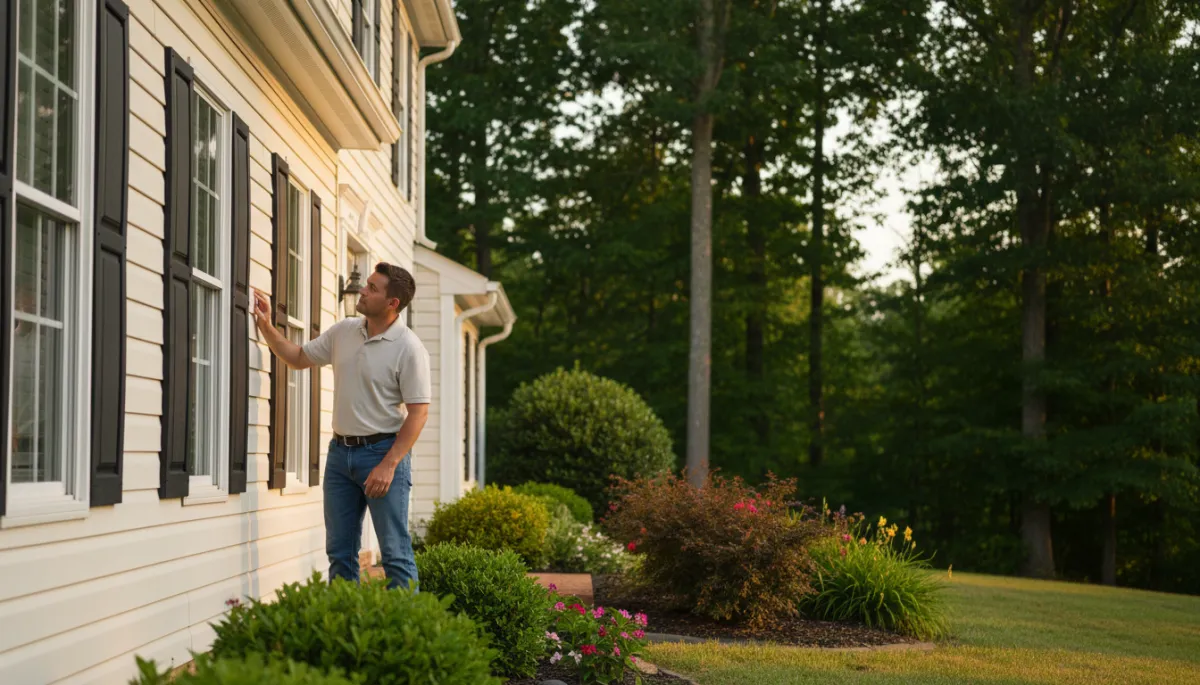
Walk the full perimeter of your home twice a year — ideally in early spring after winter's harsh weather and again in late fall before temperatures drop. Look for visible damage like cracks, dents, holes, missing panels, or separation at seams. Pay close attention to areas around windows, doors, corners, and rooflines where water tends to infiltrate. A quick 20-minute inspection can catch small problems before they become expensive repairs. - Clean Your Siding Regularly
Dirt, algae, mold, and mildew accumulate on siding — especially in Richmond's humid summers. For vinyl siding, a gentle low-pressure wash or a soft-bristle brush with a mild detergent solution works well. Fiber cement (Hardie Board) should be cleaned with a garden hose and soft brush — avoid high-pressure washing that can force water behind panels. For natural wood siding, use a cleaner specifically formulated for wood and rinse thoroughly to prevent moisture retention. - Watch for Early Warning Signs
Catching damage early is the key to keeping repair costs low. Keep an eye out for: cracked or warped panels, bubbling or blistering paint (a sign of moisture behind the siding), visible gaps or separation at joints and seams, mold or mildew growth that returns quickly after cleaning, and faded or chalky color that indicates UV degradation. These are all signals your siding needs attention sooner rather than later. - Inspect and Reapply Caulking Around Trim, Windows, and Doors
Caulk is one of the most overlooked — and most important — parts of your siding system. Check the caulking around all windows, door frames, corners, and decorative trim at least twice a year. Cracked, shrinking, or missing caulk allows water to seep behind your siding and into your home's structure. Remove old, failing caulk with a utility knife and apply a fresh bead of paintable, weather-resistant exterior caulk. It's a small investment that prevents major water damage. - Touch Up Paint and Protective Coatings
If your home has wood or fiber cement siding, keeping the paint in good condition is critical. Peeling or bare spots allow moisture to penetrate the siding substrate and cause rot. Sand down any peeling areas, apply a primer, and repaint with a high-quality exterior paint rated for your siding material. Richmond's sun and humidity make this an annual or biennial maintenance task worth staying on top of. - Keep Gutters Clean and Properly Directed
What do gutters have to do with siding? Everything. Clogged or overflowing gutters allow water to cascade down your home's exterior, saturating your siding and the underlying wall structure. This is one of the leading causes of siding rot, mold growth, and moisture intrusion. Clean your gutters at least twice a year — spring and fall — and make sure downspouts direct water at least 4–6 feet away from your foundation and siding. - Check for Pest Damage and Moisture Intrusion
Wood siding is especially vulnerable to termites and carpenter ants, but even vinyl and fiber cement can hide pest activity in the gap between panels and sheathing. Probe any suspicious soft spots with a screwdriver — if it sinks in easily, you likely have rot or pest damage beneath. Also look for small holes, sawdust trails, or mud tubes near the base of your exterior walls. Addressing moisture and pest issues early can save thousands in structural repairs.
Siding Q&A: Answers to Common Richmond Homeowner Questions
Q: How often should I inspect my siding in Richmond, VA?
A: Richmond homeowners should inspect their siding at least twice a year — once in the spring after winter's harsh weather and again in the fall before temperatures drop. If your home experiences a severe storm with high winds or hail, schedule an additional inspection immediately afterward. Early detection of damage prevents small issues from escalating into costly structural repairs.
Q: What are the signs I need siding repair or replacement in Richmond?
A: Key warning signs include cracked, warped, or buckled panels; persistent mold or mildew that returns quickly after cleaning; significant fading or a chalky appearance; gaps or separation at seams; bubbling or peeling paint; and soft spots that indicate rot or moisture damage beneath the surface. If more than 30–40% of your siding shows consistent deterioration, a full replacement is often more cost-effective than repeated patchwork repairs.
Q: Can I clean vinyl siding myself, or do I need a professional?
A: Most homeowners can clean vinyl siding themselves using a garden hose, a soft-bristle brush, and a mild detergent or diluted white vinegar solution. For stubborn mold or algae stains, a commercial vinyl siding cleaner works well. Avoid high-pressure washing at close range or harsh chemical cleaners, which can damage the surface or force water behind panels. If extensive mold growth persists after cleaning, it may indicate an underlying moisture problem that warrants a professional inspection.
Q: How long does siding last in Richmond's climate?
A: Lifespan varies by material. Vinyl siding typically lasts 25–40 years with proper maintenance; fiber cement (like Hardie Board) can last 50+ years; wood siding generally lasts 15–30 years depending on how consistently it's maintained and repainted. Richmond's humidity and summer UV intensity can accelerate wear if siding isn't properly cared for. Regular inspections and prompt repairs are the single best way to maximize your siding's lifespan in Central Virginia's climate.
Q: What's the difference between vinyl and fiber cement siding for Richmond homes?
A: Vinyl siding is lightweight, cost-effective, and virtually maintenance-free — it doesn't require painting and cleans easily. Fiber cement (Hardie Board) is denser, more impact-resistant, and provides superior protection against Richmond's wind, moisture, and temperature swings. It does require periodic repainting to maintain its protective finish. Fiber cement has a higher upfront cost but offers exceptional longevity and curb appeal. Both are excellent choices for the Richmond climate; the best option depends on your budget, aesthetic goals, and long-term maintenance preferences.
When to Call a Professional Siding Contractor
Not all siding issues are DIY-friendly — and knowing when to call in a professional can save you from making a small problem much worse. If you discover rot that extends into the sheathing or structural framing, widespread moisture intrusion behind multiple panels, or extensive mold that has penetrated the wall system, it's time to bring in an expert. Storm damage — including wind-driven rain, hail impacts, or flying debris — can compromise your siding's structural integrity in ways that aren't always visible from the outside. Attempting major repairs without the proper tools, materials, or experience can worsen the damage and create serious liability issues down the road.
If your siding is approaching the end of its useful life, showing systemic issues across multiple areas of your home, or you're planning to sell and want to maximize curb appeal, a professional evaluation is the smart move. At Professional Home Services, our team has been helping Richmond homeowners make confident exterior decisions for over 25 years. We provide thorough siding inspections, honest assessments, and transparent recommendations — with no pressure and no obligation. Every installation and replacement is backed by manufacturer product warranties and our own workmanship warranty, so you can have complete peace of mind.
Ready to Get a Free Siding Estimate?
Your home's siding works hard every day to protect your family and your investment. Don't wait until small issues become expensive problems. Whether you're due for a routine inspection, noticing early warning signs, or thinking about upgrading to a more durable siding material, the team at Professional Home Services is here to help. Request your free, no-obligation estimate today and discover why Richmond homeowners have trusted us with their homes for more than 25 years. Our experts will assess your siding, answer your questions honestly, and help you make the best decision for your home — at a fair price, with no pressure, guaranteed.
