DIY Siding Maintenance Tips for Richmond Homeowners
Your home's siding is one of its most important lines of defense — shielding your family from Richmond's hot, humid summers, chilly winters, and everything in between. Proper siding maintenance doesn't just preserve curb appeal; it protects your home's structural integrity and saves you from costly repairs down the road. The good news? Many siding maintenance tasks are straightforward DIY projects that any motivated homeowner can tackle.
Here's your complete guide to keeping your Richmond home's siding in top shape, season after season.
Why Siding Maintenance Matters in Richmond, VA
Richmond's climate is uniquely demanding on exterior surfaces. The combination of high summer humidity, freeze-thaw cycles in winter, spring pollen, and the occasional severe storm means your siding works hard year-round. Neglecting routine upkeep can lead to moisture intrusion, wood rot, mold growth, and rising energy bills — problems that start small but can escalate into major structural repairs.
A proactive maintenance routine is always more affordable than reactive repairs.
Essential DIY Siding Maintenance Tips
1. Clean Your Siding Annually (or More Often)
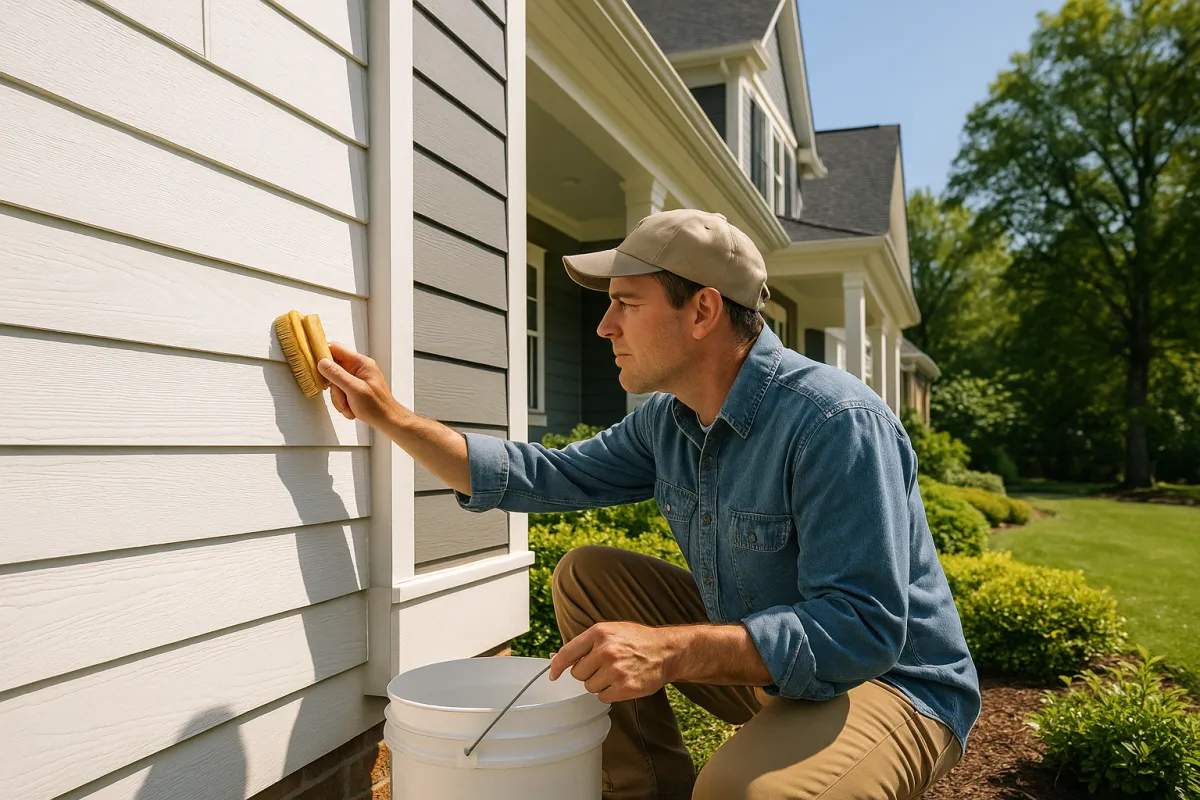
Dirt, algae, mold spores, and mildew love Richmond's humidity. At least once a year — ideally in spring — give your siding a thorough cleaning. For vinyl siding, a garden hose and a soft-bristle brush with a mild detergent solution work well. For fiber cement or wood siding, be more cautious with pressure washing; use a low-pressure setting and work from top to bottom to avoid forcing water behind panels.
2. Inspect and Re-Caulk Gaps and Seams
Caulk around windows, doors, corners, and trim prevents water from sneaking behind your siding. Each spring, walk the perimeter of your home and look for cracked, shrunken, or missing caulk. Remove old caulk completely before applying a fresh, paintable exterior-grade sealant. This one step can significantly reduce drafts and moisture infiltration.
3. Keep Vegetation Trimmed Back
Bushes, vines, and tree branches that touch or rub against your siding create moisture traps and can cause abrasion damage over time. Keep shrubs pruned at least six inches from the home's exterior, and trim any overhanging branches that could deposit debris or scrape the surface.
4. Touch Up Paint and Finishes Promptly
For painted wood or fiber cement siding, don't let chips and peeling linger. Exposed areas invite moisture and can accelerate rot. Sand the affected area lightly, prime it, and apply a color-matched exterior paint to maintain a seamless, protective barrier.
Seasonal Inspection Guide for Richmond Homeowners
Spring: Conduct your most thorough annual inspection after winter ends. Look for any panels cracked or shifted by ice, check for new gaps in caulking, and clean away pollen and mold buildup.
Summer: Monitor for warping or buckling caused by extreme heat — especially on south- and west-facing walls that take the most sun. Check for signs of insect activity, particularly around wood trim.
Fall: Clear gutters and downspouts so water is directed away from your foundation and siding. Inspect the lowest panels closest to the ground, where splash-back from rain can accelerate moisture damage.
Winter: After any significant winter storm, walk the exterior to look for impact damage, missing panels, or ice-related cracking. Catching problems early prevents water intrusion during thaws.
Warning Signs to Watch For
Even with diligent upkeep, siding can develop problems. Watch for these red flags during your inspections:
- Cracking, warping, or buckling panels — May indicate moisture trapped beneath or thermal expansion issues
- Mold, mildew, or dark staining — Signals moisture infiltration that needs immediate attention
- Loose, nailed-out, or missing panels — Leave your home exposed to the elements
- Soft or spongy spots — Often indicate rot beneath the surface
- Fading or peeling finish — Reduces UV protection and signals it's time to repaint
- Unexpectedly rising energy bills — Can mean failing siding is compromising your home's insulation
When to Call a Professional
DIY maintenance goes a long way, but some situations call for a licensed exterior contractor:
- Widespread rot or structural damage — If rot has spread beneath multiple panels or into sheathing, professional removal and replacement is essential
- Major storm damage — Hail, high winds, or fallen debris can cause damage that isn't always visible to the untrained eye
- Improper original installation — Siding that was poorly installed from the start may have hidden moisture problems that require a professional assessment
- Full re-siding projects — When your siding has reached the end of its useful life, a full replacement ensures proper installation, updated materials, and long-term protection
If you're unsure whether what you're seeing is a minor fix or a bigger issue, it's always worth getting a professional opinion before small problems become expensive ones.
Protect Your Home — Request a Free Estimate Today
At Professional Home Services, we've helped Richmond homeowners protect and beautify their homes for years. Whether you need a professional siding inspection, targeted repairs, or a complete siding replacement, our experienced team is ready to help. We serve the Greater Richmond area and are committed to delivering quality workmanship you can count on.
Ready to take the next step? Contact us today to request your free, no-obligation estimate and let our team help you keep your home protected for years to come.
